


Why Proper Storage Matters
2-Chloro-4-iodo-5-methylpyridine is a halogenated pyridine intermediate commonly used in pharmaceutical and fine chemical synthesis. Although it is relatively stable under normal laboratory conditions, improper storage can significantly reduce its purity, promote degradation, and cause safety hazards over time.
Exposure to moisture, heat, or strong light can trigger unwanted reactions, leading to discoloration, changes in physical appearance, or the formation of impurities that affect downstream synthesis.
For buyers—especially those using this compound for high-value intermediates—correct storage is essential for ensuring consistent product performance and avoiding costly material loss.
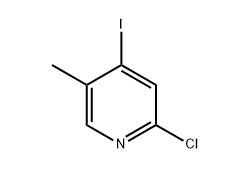
2-chloro-4-iodo-5-methylpyridine
Ideal Storage Conditions
To maintain its stability, this compound should be stored in a cool, dry, and well-ventilated environment. The ideal storage temperature is between 2–8°C or below room temperature, depending on supplier recommendations.
Keep the material in a location free from direct sunlight and away from heat sources, as excessive heat can accelerate decomposition.
Humidity control is equally important. Because many pyridine derivatives are sensitive to moisture, the chemical must be stored away from wet areas, open water sources, or environments with fluctuating humidity.
If long-term storage is planned, consider using a desiccated cabinet or dry box to minimize moisture exposure and maintain optimal stability.
How to Package and Seal it Correctly
Packaging plays a direct role in the compound’s degradation rate. The most suitable containers include amber glass bottles, PTFE-lined caps, or HDPE containers with strong airtight performance.
Amber bottles help block UV and visible light, preventing light-induced degradation. PTFE linings offer chemical resistance, ensuring the seal does not react with the compound.
After each use, tightly reseal the container to reduce air exposure. For powdered or crystalline forms, avoid repeatedly opening the primary container; instead, divide into smaller bottles if frequent sampling is required. This practice helps reduce oxidation and preserves overall batch quality.
If shipping or long-term storage is involved, secondary packaging such as aluminum foil bags or vacuum-sealed pouches can provide an extra layer of moisture and oxygen protection.
Common Mistakes to Avoid
Many storage issues arise from small but common errors. Below are mistakes to avoid:
1. Storing near heat sources such as ovens, heaters, or sunlight-exposed shelves.
2. Leaving containers unsealed, which increases contact with air and moisture.
3. Using reactive containers, such as metals or low-quality plastics that may degrade or leach contaminants.
4. Keeping it in high-humidity areas, like wash rooms or areas affected by lab steam.
5. Frequent temperature cycling, which can cause condensation inside the container and compromise purity.
Avoiding these mistakes not only protects product quality but also ensures consistent performance during synthesis.
Safety Equipment You Should Prepare
Although 2-Chloro-4-iodo-5-methylpyridine is not considered highly hazardous, safe handling still requires basic personal protective equipment (PPE). Users should wear nitrile gloves, lab coats, and safety goggles whenever handling the compound to prevent skin or eye contact. Work in a well-ventilated area or under a fume hood to avoid inhaling any airborne particles, especially when weighing or transferring the chemical.
Spill kits containing absorbent materials and sealed disposal bags should be available nearby. For larger storage quantities, ensure fire safety equipment is accessible, as organic chemicals may become hazardous under certain environmental conditions. Proper PPE and preparation reduce risk and contribute to a safe working environment.
